Understanding Car Warranty Types
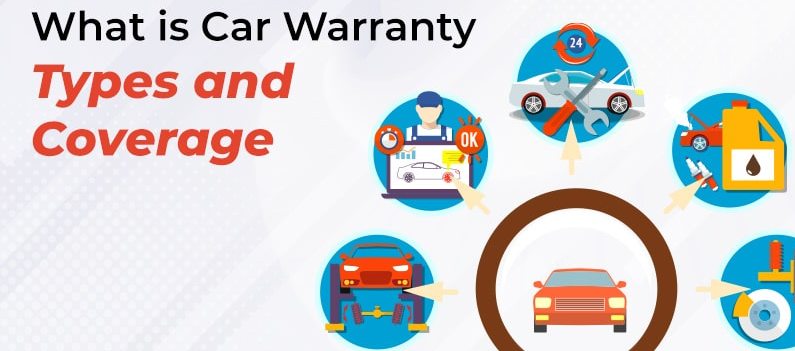
A car warranty is a contract that covers the repair or replacement of parts or systems in your vehicle if they fail due to defects or other issues. Warranties provide peace of mind by ensuring that the manufacturer or provider will cover repair costs for specific issues that may arise within a certain time frame or mileage limit.
Here are the main types of car warranties:
1. Manufacturer’s Warranty (Bumper-to-Bumper Warranty)
- Coverage: This is the most comprehensive warranty typically offered by the car manufacturer. It covers nearly all parts of the vehicle, including the engine, transmission, electrical system, and sometimes even the interior features (such as seats or air conditioning). It usually doesn’t cover wear-and-tear items like tires or brake pads.
- Duration: Typically lasts for 3 years/36,000 miles but can vary depending on the manufacturer and model.
- Purpose: Designed to protect buyers against defects in materials or workmanship.
2. Powertrain Warranty
- Coverage: This warranty specifically covers the engine, transmission, and other essential parts of the vehicle that affect its movement. It is generally more limited than a bumper-to-bumper warranty.
- Duration: Often lasts longer than the bumper-to-bumper warranty—usually between 5 to 10 years or 60,000 to 100,000 miles.
- Purpose: To cover major mechanical failures in the core components of the car that could be costly to repair.
3. Corrosion/Rust Warranty
- Coverage: This warranty covers repairs for rust or corrosion damage to the vehicle’s body or frame. It typically applies only to issues that are caused by defects and not normal wear and tear or environmental factors.
- Duration: Can range from 5 years to a lifetime depending on the manufacturer.
- Purpose: To protect the car from rusting and corrosion that can damage the structure over time.
4. Roadside Assistance Warranty
- Coverage: This is an added benefit in many warranties, providing services like towing, battery jump-starts, flat tire assistance, and emergency fuel delivery. Some manufacturers include it in their warranties, while others offer it as an optional add-on.
- Duration: Generally valid for the length of the car’s initial warranty, or as a standalone plan for 1 to 5 years.
- Purpose: To assist drivers in case of emergencies while on the road.
5. Hybrid/EV Warranty
- Coverage: This is specific to hybrid and electric vehicles (EVs). It covers the battery, electric motor, and other hybrid/EV-specific components. These parts can be expensive to repair or replace, making this warranty particularly important for these types of vehicles.
- Duration: Hybrid/EV warranties are typically longer, with battery coverage often lasting 8 years or 100,000 miles or more.
- Purpose: To protect the buyer from the high costs of battery replacement and related components.
6. Extended Warranty (Service Contract)
- Coverage: An extended warranty is an optional plan purchased separately from the manufacturer’s warranty. It offers coverage for repairs after the original warranty expires, often including parts and labor. These warranties can be customized to cover a wide range of issues.
- Duration: Can vary greatly, often lasting 2 to 5 years beyond the manufacturer’s warranty period.
- Purpose: To provide continued protection against unexpected repairs after the standard warranty ends.
7. Drive Train Warranty
- Coverage: This is a subset of the powertrain warranty but focuses specifically on components that are part of the car’s drivetrain system, such as the drive shaft, wheels, and axle.
- Duration: It often lasts for around 5 years/60,000 miles.
- Purpose: To cover mechanical components directly involved in driving the car.
Choosing the Right Warranty for Your Car
When deciding on a warranty, it’s important to consider the following:
- Vehicle type: New or used, hybrid or electric, luxury or economy.
- Mileage and usage: How much you drive and where (highway vs. city).
- Coverage needs: Whether you need just basic protection or more extensive coverage for parts like the powertrain or hybrid battery.
If you’re considering an extended warranty, compare options from both the manufacturer and third-party providers to ensure you’re getting the best coverage for your needs and budget.


