Trump’s trade tariffs: exploring the potential actions his administration could take
President Trump invoked the International Emergency Economic Powers Act (IEEPA) on 1 February, citing illicit drug flows as a national emergency to justify tariffs. But that is just one of the many possibilities the administration has to apply tariffs. How might China and Europe respond?
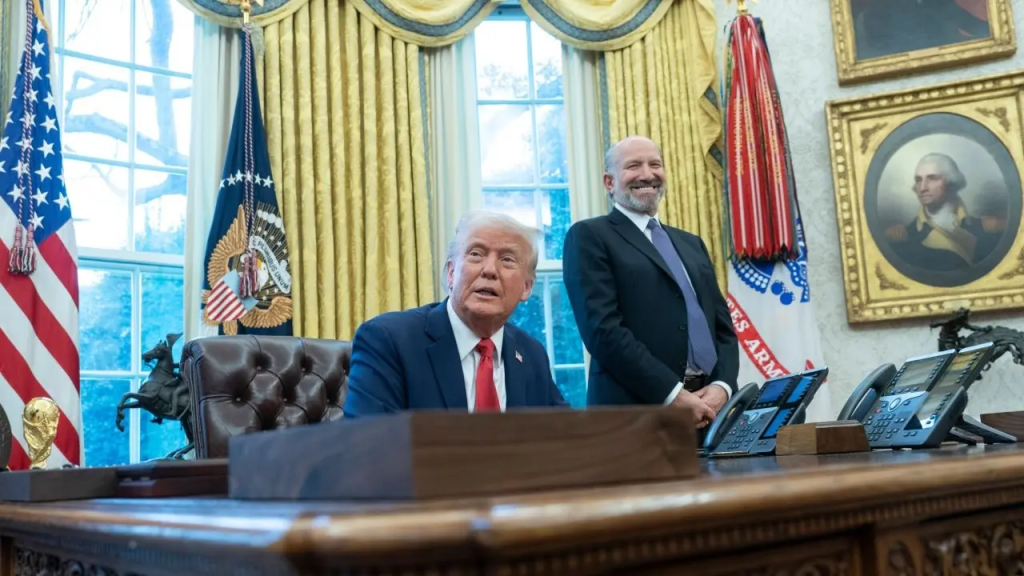
President Trump invokes IEEPA to announce new tariffs
Late on 1 February, US President Donald Trump signed three executive orders announcing new unilateral tariffs on Canada, Mexico, and China. While the tariffs on Mexico and Canada will be delayed by a month and will potentially never see the light of the day, 10% on imports from China are still on the cards.
In order to conduct this first unilateral tariff strike, Trump invoked the International Emergency Economic Powers Act (IEEPA), which authorises the President to regulate imports during a national emergency declared under the National Emergencies Act (NEA). In all three cases, he cited the flow of illicit drugs as the cause for proclaiming a national emergency.
What about other possibilities to invoke tariffs? Section 201, 301 and 232
Although this hefty tariff action has drawn attention over the last couple of days, don’t forget that a comprehensive investigation into US trade relationships is still outstanding and due on 1 April. During Trump’s first presidency, we discovered various legal avenues for imposing tariffs on a range of products under US law. For his tariff strategy at that time, Trump relied on two key laws, invoking three specific sections:
Trade Act of 1974:
Section 201 tariffs: Used to provide temporary relief to US industries affected by import surges. Under Section 201 of the Trade Act of 1974, the United States International Trade Commission (USITC) investigates whether imports are causing serious injury to domestic industries. If the investigation concludes affirmatively, the USITC recommends relief measures to the president. The USITC has 120 to 150 days from receiving a petition to determine the impact of imports and must submit its report, including any relief recommendations, to the president within 180 days.
Section 301 tariffs: Used to address unfair trade practices and enforce US rights under trade agreements. Under Section 301 of the Trade Act of 1974, the United States Representative (USTR) investigates and consults with the private sector, conducts public hearings, and engages in consultations with the targeted foreign government to address unfair trade practices. The USTR must decide whether to initiate an investigation within 45 days of receiving a petition and make its final determinations within 12 months of starting the investigation. The president then has 90 days to decide on the appropriate action. If the president approves tariffs, they are implemented within 30 days of the decision.
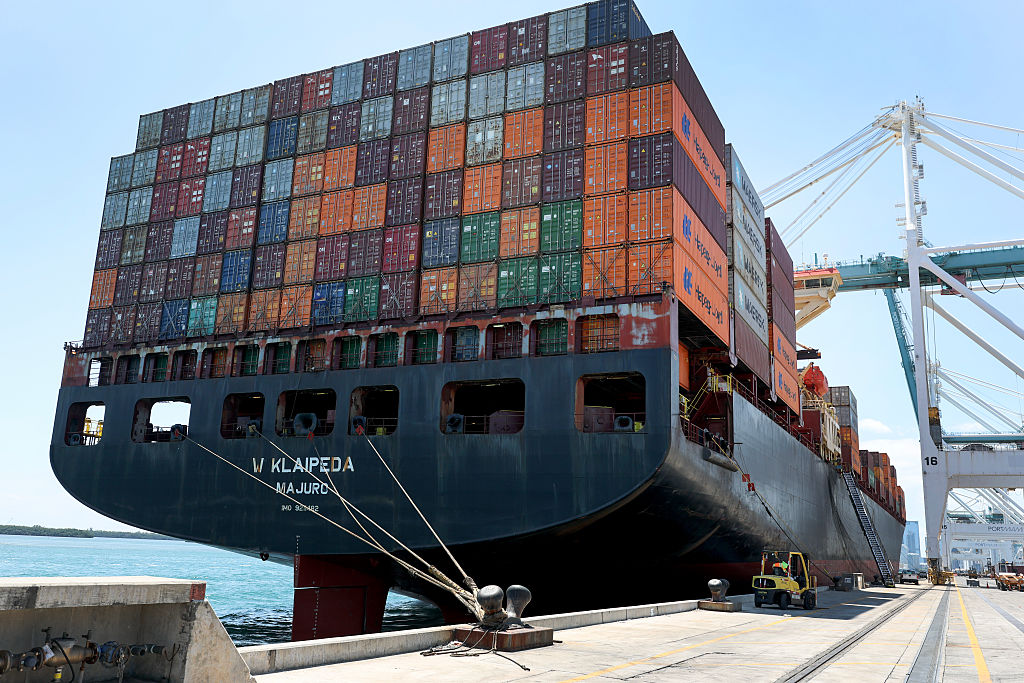
Trade Expansion Act of 1962
Section 232 tariffs: Used to protect national security by adjusting imports. Under Section 232 of the Trade Expansion Act of 1962, the Secretary of Commerce, in consultation with the Secretary of Defence and other relevant agencies, assesses the national security implications of imports. The Department of Commerce has 270 days to complete the investigation and prepare a report. The president then has 90 days to review the report, decide whether to agree with its findings, and determine the appropriate course of action.
As the use of these trade laws requires thorough investigations, it took roughly a year into Trump’s first presidency before tariffs were actually implemented.
Source: think.ing.com


